
Airdrop Incoming: A Guide to Understanding the Derivatives Space Leader Protocol SynFutures




SynFutures will conduct its official TGE and community airdrop today (December 6) at 6:00 PM Singapore time. This article will review SynFutures' development journey and ecosystem highlights. Over the past year, there have been two bright spots in the decentralized derivatives space, one being Hyperliquid and the other being SynFutures. Hyperliquid had its TGE and airdrop last week, setting a record for the largest airdrop amount in history, creating high expectations for SynFutures, which operates in the same derivatives space. Today's article aims to help readers understand SynFutures' development process, its current industry position, and the potential challenges it may face in the future.
1. SynFutures' Deep Dive into Decentralized Derivatives
The SynFutures team has been focusing on the decentralized derivatives space since 2021 and has iterated through three versions in this process.
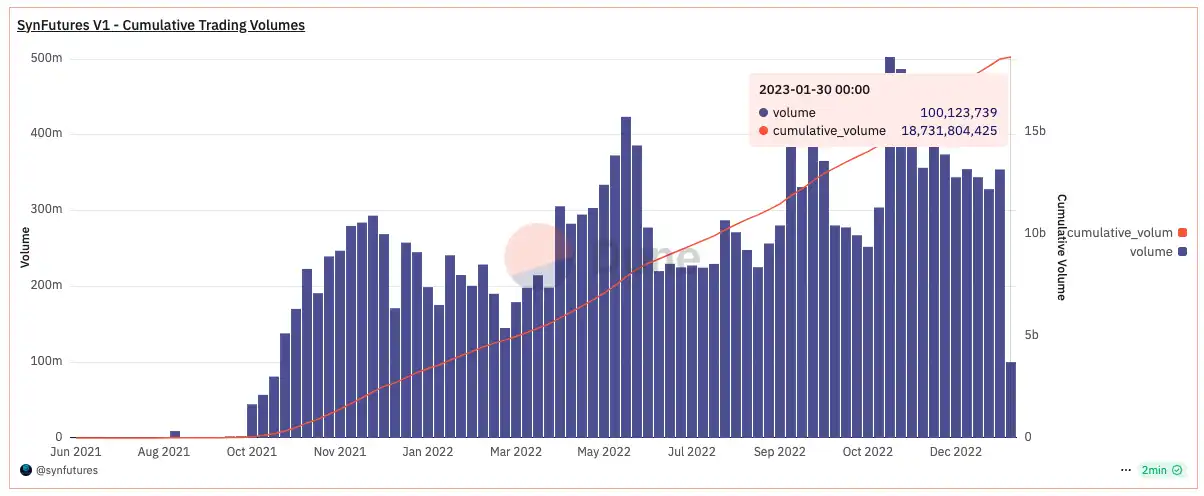
Its first version was an AMM supporting futures trading (perpetual contracts) launched on Polygon in 2021. Users could leverage up to 10x for trading. The team also developed the world's first BTC mining difficulty settlement contract, where miners could long or short Bitcoin mining difficulty based on their predictions. In the 1.5 years since the first version went live, it has achieved a total trading volume of $18.7 billion, a remarkable feat considering the abundance of spot dex and perp dex concepts at the time.
If the first version can be considered SynFutures' MVP, then the second version can be seen as SynFutures' further exploration into the decentralized derivatives space. In the second version, SynFutures targeted the larger market of perpetual contracts since perpetual contracts have a broader audience and higher trading volume compared to futures contracts. Based on this, SynFutures launched the industry's first pure on-chain decentralized futures and perpetual contract trading platform, allowing users to create decentralized derivative markets permissionlessly. The most significant change brought by this version is the increased support for trading pairs. In addition to mainstream pairs like BTC and ETH, most of the major assets on the Polygon network were included, helping SynFutures become one of the highest-volume decentralized derivatives exchanges on Polygon.

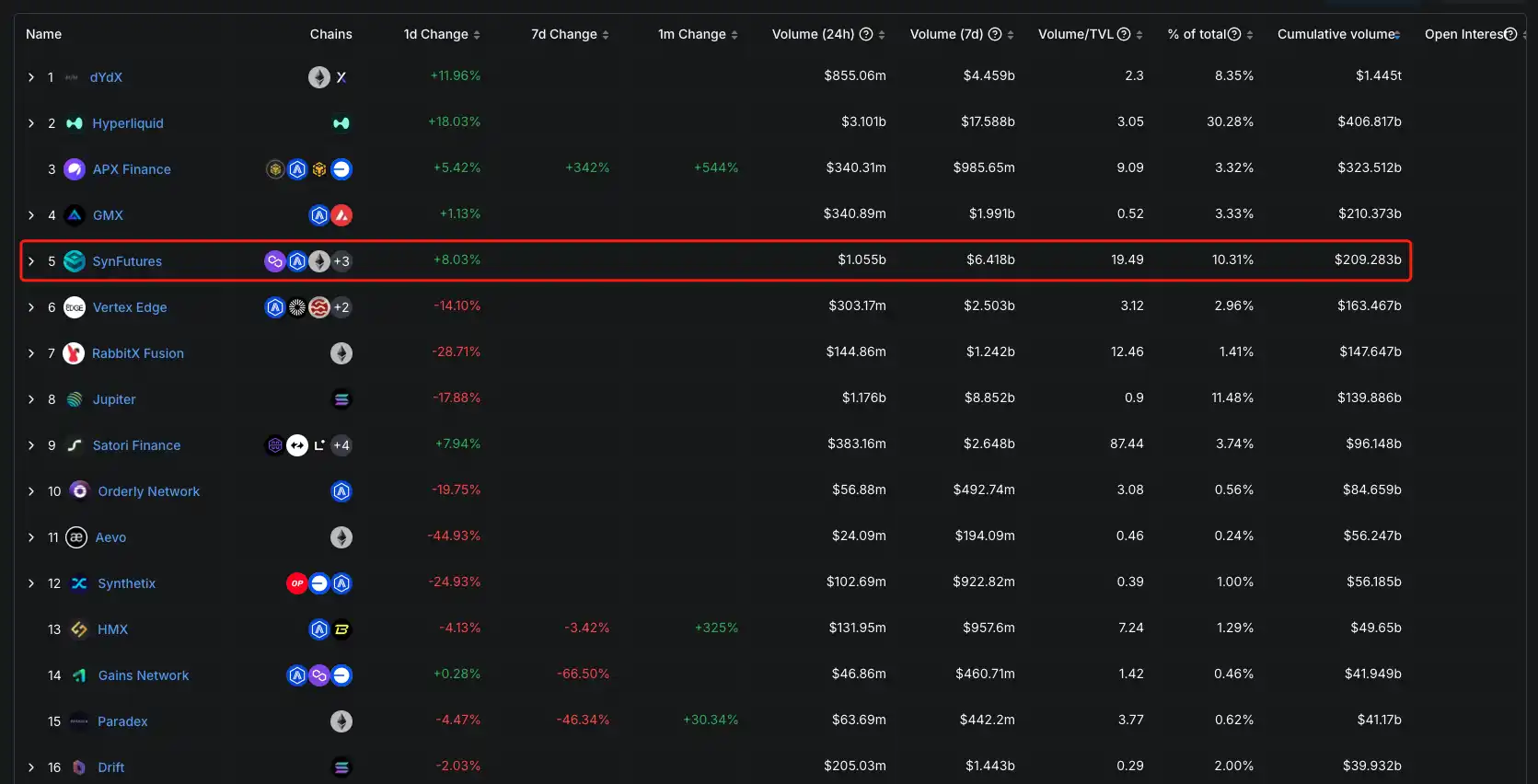
Building on the experience of operating and developing the above two versions, in order to further improve capital efficiency, SynFutures launched its Oyster AMM this year, designed specifically for derivative trading, which can increase capital efficiency by up to 26666x. This version has generated a total trading volume of over 200 billion US dollars since its launch, ranking 5th in total trading volume among all perp dexes. Compared to earlier protocols such as GMX and Hyperliquid, its performance is equally impressive.
II. UniSwap's Commitment to the Derivatives Track
SynFuturesV3, drawing inspiration from UniSwapV3's concentrated liquidity model, introduced the oAMM designed specifically for contract trading, allowing LPs to concentrate liquidity in a specified price range, maximizing capital efficiency and liquidity depth. This maintains full decentralization while providing traders with a good trading experience and minimizing slippage.
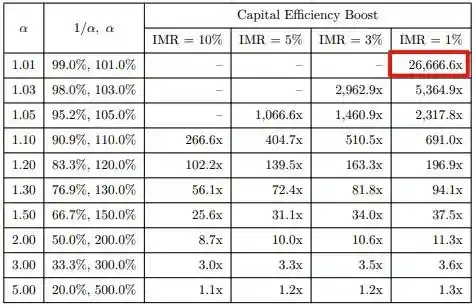
1. Concentrated Liquidity Provision —— oAMM allows LPs to add liquidity to a specific price range, greatly enhancing the AMM's liquidity depth and capital utilization efficiency. This supports larger and more transactions, creating more fee income for LPs. According to its documentation, its capital efficiency can be increased by up to 26,666.6 times;
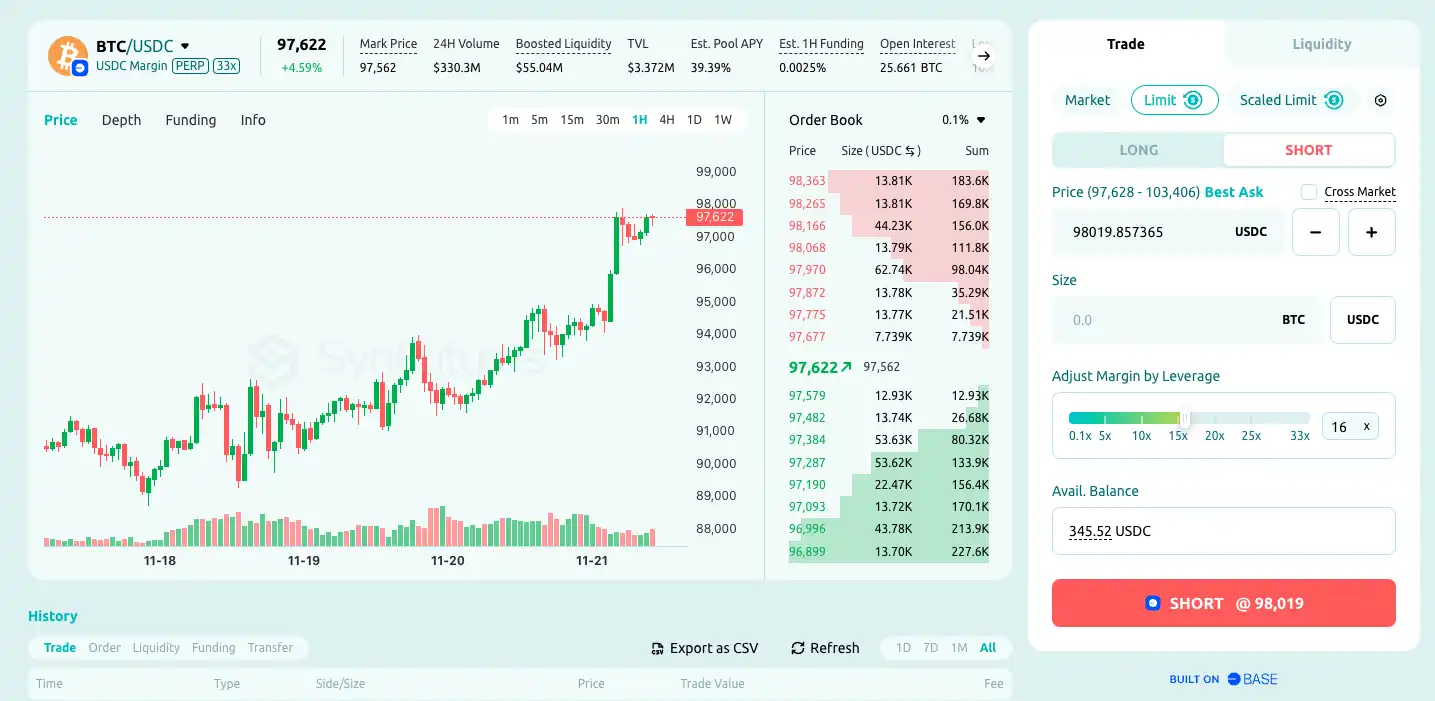
2. On-chain Order Book —— oAMM has achieved a purely on-chain order book without relying on centralized servers, allowing liquidity providers to provide liquidity through limit orders and directly receive a 1/3 share of the trading fees. This helps SynFutures attract liquidity providers from centralized trading platforms to participate in on-chain liquidity provision, providing a better trading experience.
3. Permissionless Listing — oAMM's another major innovation is its permissionless nature, allowing any ERC-20 token to be used as collateral, and completing the entire listing process in just 30 seconds. This means that any project team can create a perpetual contract market for their token on SynFutures;
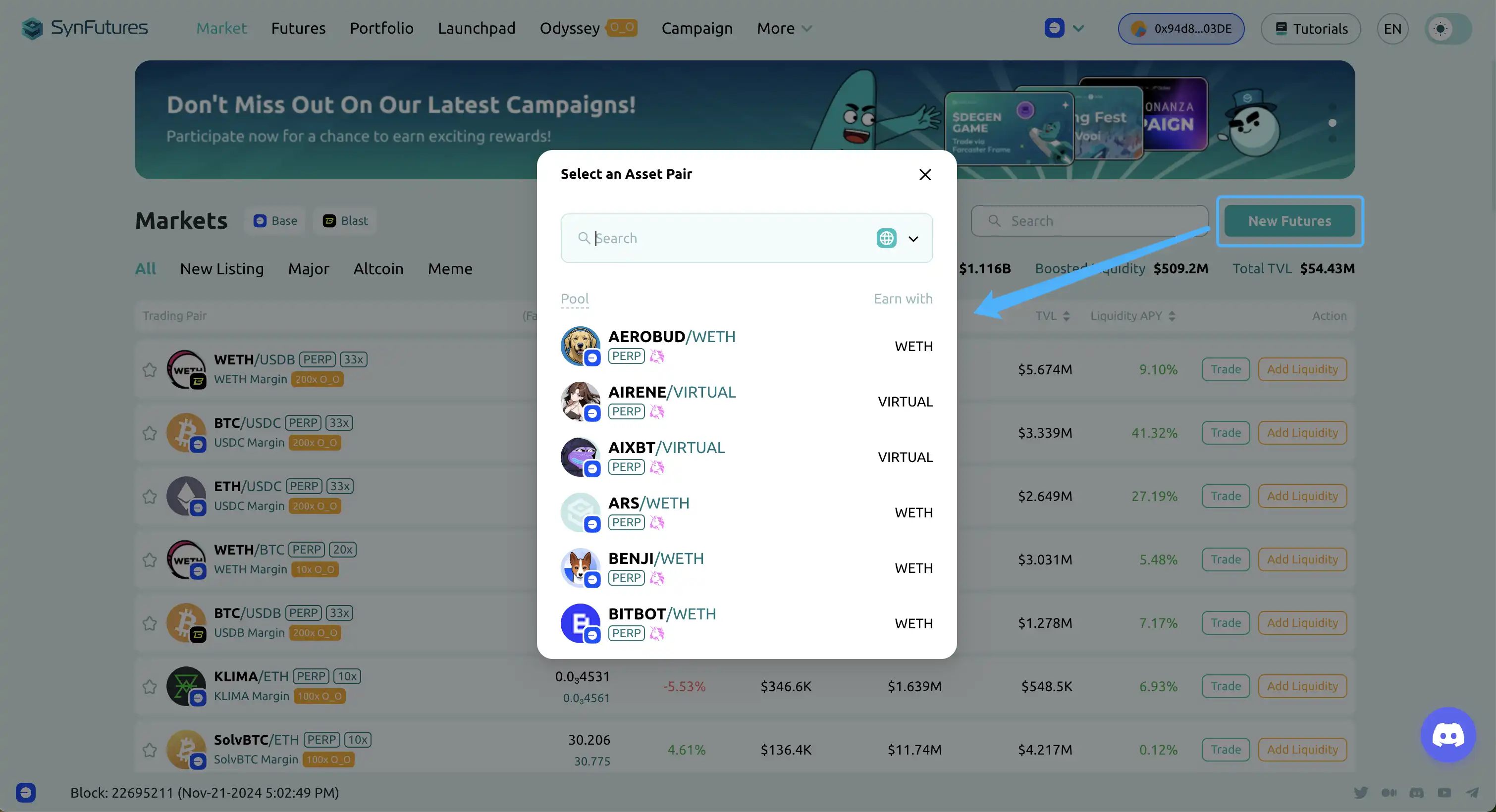
4. Perp Launched — Based on its permissionless listing feature, SynFutures recently also followed the Pump.fun model and launched the industry's first derivative perpetual contract issuance platform. Project teams only need to use their own project tokens to provide liquidity, open their perpetual contract market, and earn fee income from user trades.

III. Data Performance
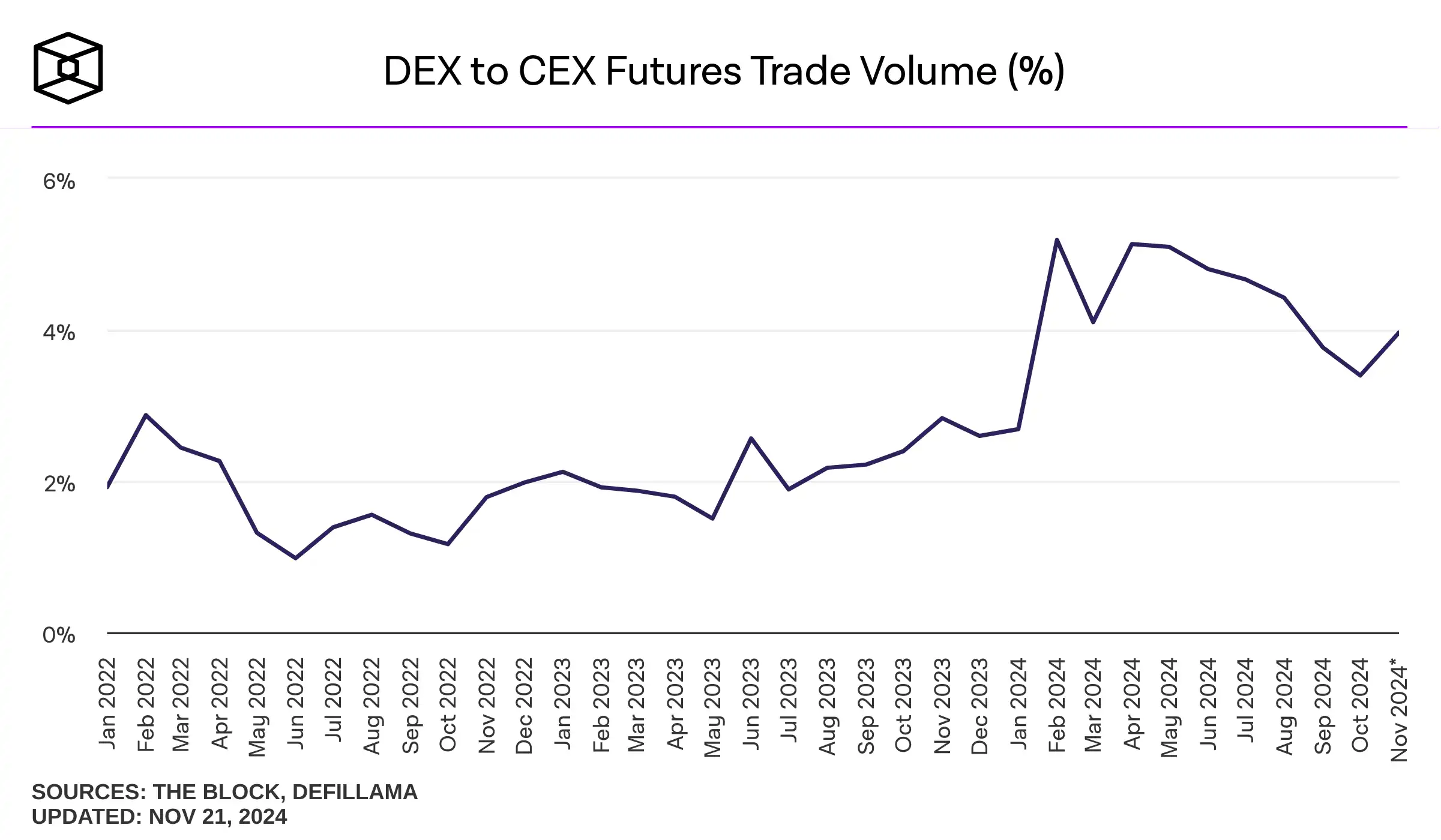
Looking back on the development of the decentralized derivatives field in the past few years, new projects are emerging while old ones are fading out. Despite making good progress, their market share is still insignificant compared to centralized exchanges, accounting for less than 5%. On the one hand, this is related to the phase bottleneck of DeFi development, and on the other hand, the derivatives field has higher requirements for speed. The underlying public blockchains still face significant bottlenecks in this area, hindering the development and innovation of the field.
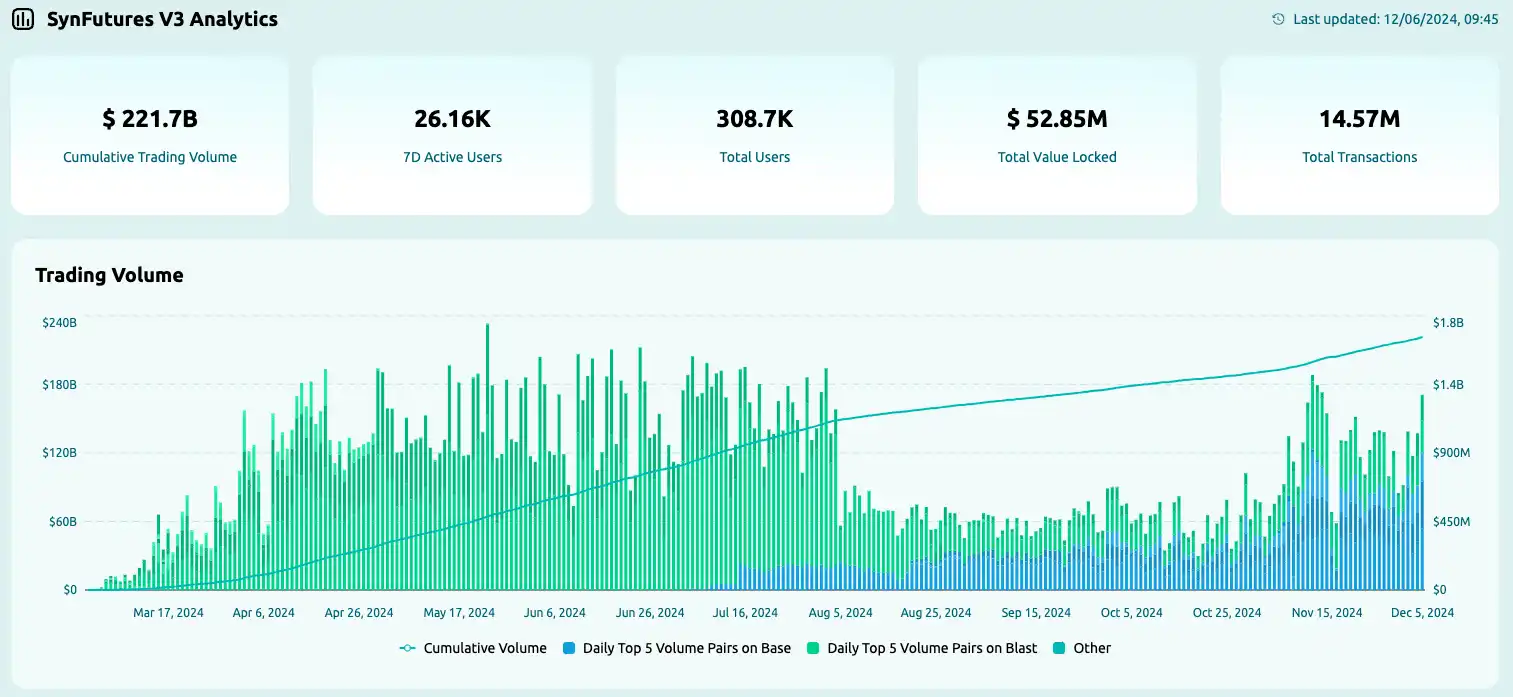
Meanwhile, SynFutures has generated over 220 billion USD in trading volume within 9 months, demonstrating outstanding performance.
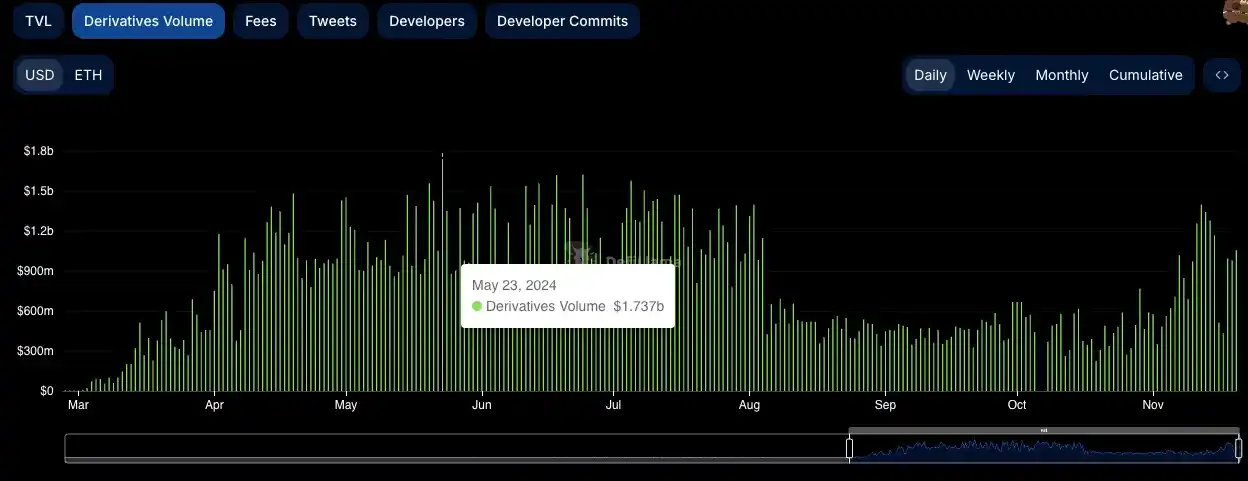
The daily peak trading volume reached 17 billion USD
Looking at its data on Base:
Launched on July 1st on Base, the trading volume exceeded 100 million USD after 10 days of launch
The cumulative trading volume nears 40 billion USD, with a daily average trading volume of 240 million USD

Q3 Transaction Volume Accounts for 50% of Base Network

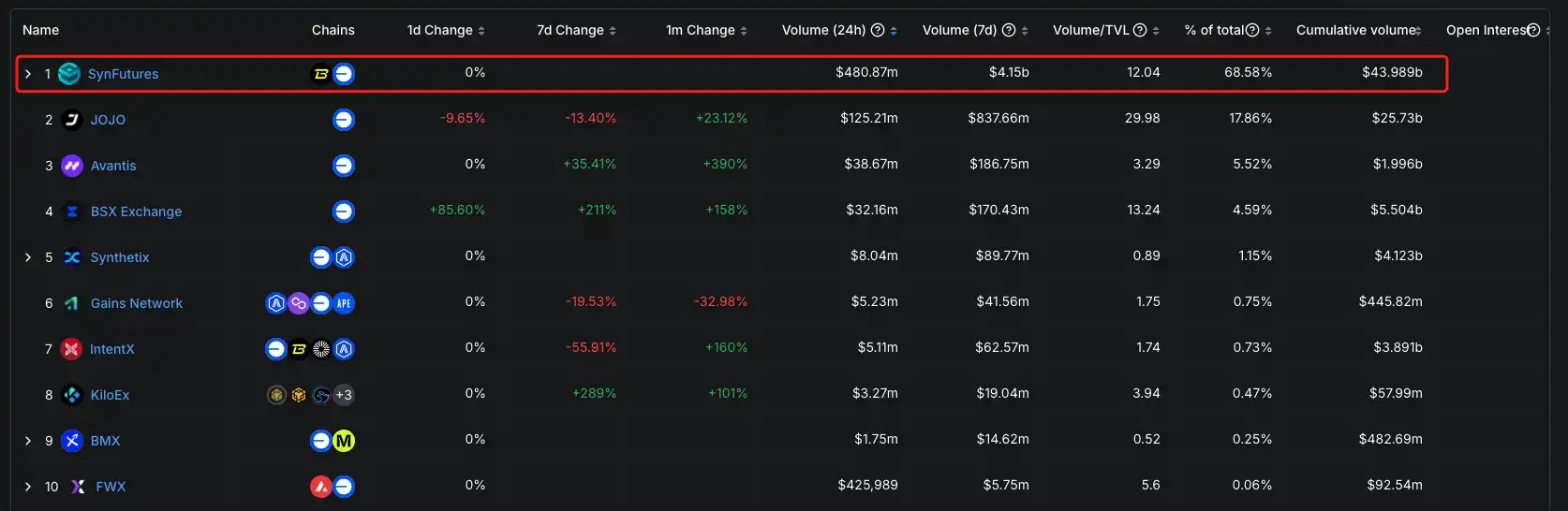
The past 24h Transaction Volume Accounts for 68% of Base Network, 4 times the 2nd place;
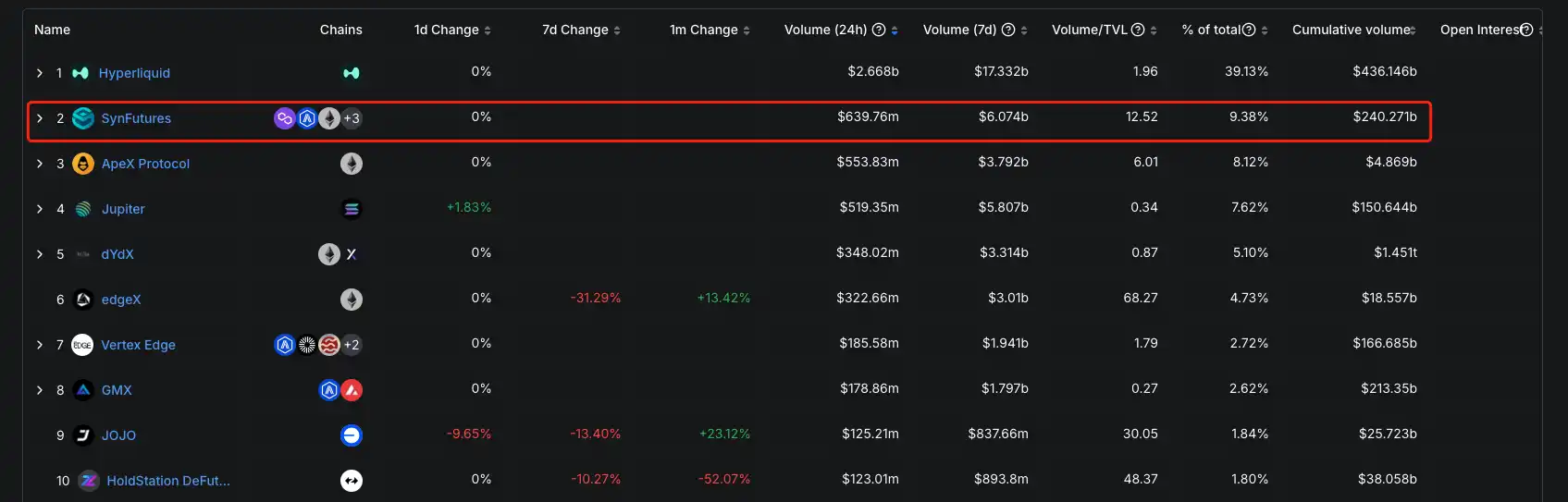
The past 24h Transaction Volume ranks 2nd across all platforms, second only to Hyperliquid
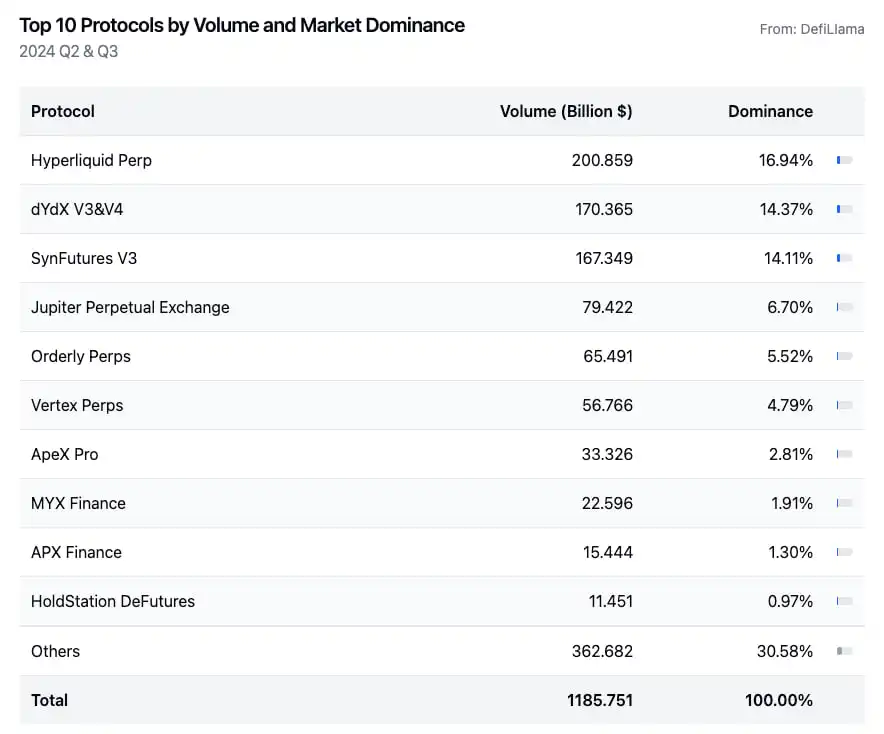
According to DefiLlama data, Q2 and Q3 on-chain perpetual contract transaction volume is $11.857 trillion, with the top 3 accounting for over 45% of the volume, namely Hyperliquid (16.94%), dYdX V3 & V4 (14.37%), and SynFutures (14.11%).
Four, Team
The SynFutures team has extensive experience in finance, derivatives, TradFi, DeFi, etc. It not only has veterans from traditional finance but also DeFi degens from the emerging field.
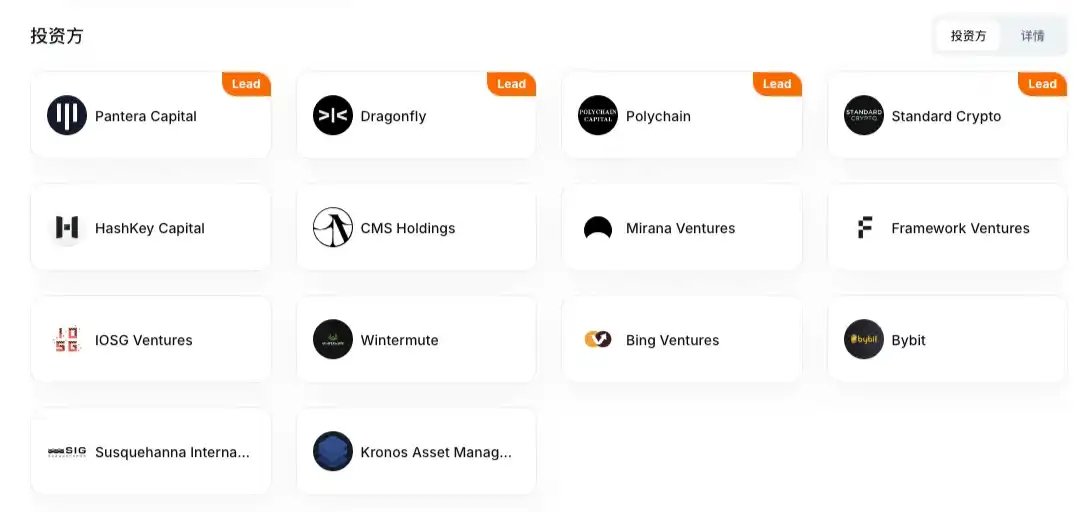
From Rootdata, it is seen that its founder Rachel joined Bitmain in 2018 and co-founded Matrixport. Due to her continuous interest in DeFi, in early 2021, she founded SynFutures. The project has received support from well-known investment institutions from the East and the West, including Pantera, Polychain, Dragonfly, SIG, and has raised over $37.4 million in funding.
Five, Tokenomics
Last week, SynFutures announced the establishment of the SynFutures Foundation and the launch of the native token F, and will soon release details regarding an airdrop and TGE date.
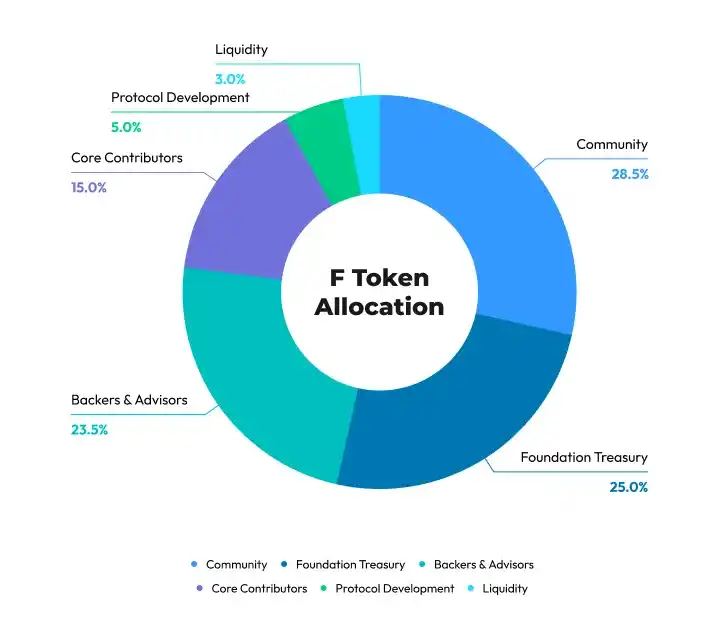
According to its announcement, the SynFutures Foundation will be dedicated to driving the long-term development of the protocol and achieving collective decision-making through community governance proposals. The F token will be allocated to the community, early supporters and advisors, foundation treasury, core contributors, protocol development, and liquidity support. In addition to governance voting rights, holders will also enjoy benefits such as fee rebates, staking rewards, and a second-season airdrop bonus.
The total supply of the F token is 100 billion, distributed as follows:
28.5% allocated to the community;
23.5% allocated to early supporters and advisors;
15% allocated to the foundation;
15% allocated to future protocol development;
3% allocated to liquidity.
The initial circulating supply is 12%, with the airdrop portion being 7.5%
VI. Launch Schedule
Launched on Bybit Launchpool on December 2, ending on December 5;
Bybit's primary listing will be on Dec 6 (Friday) at 6 PM SGT;
The community airdrop will be available for claim simultaneously on Dec 6 (Friday) at 6 PM SGT.
Summary
The decentralized derivatives space still has significant room for growth, and the industry urgently needs innovators to bring better solutions. SynFutures, which emerged this year and made a mark in this space, has shown remarkable performance over the past year, bringing new possibilities and opportunities to this race track. We look forward to its future innovations and further advancements in driving the industry forward.
You may also like

Morning Report | DeepSeek completes over $7 billion in financing, with a valuation exceeding $50 billion; Musk's personal wealth has surpassed the total market value of Bitcoin

SharpLink CEO: How to understand that Ethereum developers have just surpassed 1 million?

Morning Report | MiCA grace period expires on July 1; Kalshi's trading volume in the first week of the World Cup breaks $5.1 billion, setting a record

The foundation of SpaceX's trillion-dollar valuation: Who is dividing Musk's annual capital expenditure of tens of billions?

How to exit after asset tokenization?

The stablecoin positioning battle escalates: When compliance is just a ticket to entry, will USD1 become the biggest winner?

A16Z: The sun bears witness, SpaceX is worth 7.5 trillion

Mergers and acquisitions in the cryptocurrency market are exceptionally active

Concerns Behind the Binance Customer Service Controversy

SpaceX Stock Prediction After the IPO: Can SPCX Reach $200 Before QQQ Inclusion?

Congratulations to Carl Moon on His Historic Ferrari Challenge Le Mans Podium Triumph
Crypto influencer and racing enthusiast Carl Moon finished third in the Ferrari Challenge Le Mans Coppa Shell class, marking his best result of the year. As his racing partner and sponsor, WEEX celebrates this remarkable achievement and continues to lead crypto’s journey beyond boundaries, uniting the innovation of digital assets with the passion of motorsport.
Can the CLARITY Act Become Law by July 4? Everything You Need to Know About the Final Battle

France vs Senegal World Cup 2026: Mbappe’s New Era Begins Against a Historic Rival
What is the connection between Huang Zheng of Pinduoduo and blockchain?

Morning Report | Prediction market platforms like Kalshi and Polymarket jointly sue Kentucky over 14.25% trading tax; Bridgewater founder discusses decision-making in the AI era: principled thinking should run parallel to AI, human insight remains irre...

If the AI bubble has already burst, who will truly remain?

Paul Graham: How to Make a Billion Dollars

After 18 years, blockchain has finally started to head towards the main channel
Morning Report | DeepSeek completes over $7 billion in financing, with a valuation exceeding $50 billion; Musk's personal wealth has surpassed the total market value of Bitcoin
SharpLink CEO: How to understand that Ethereum developers have just surpassed 1 million?
Morning Report | MiCA grace period expires on July 1; Kalshi's trading volume in the first week of the World Cup breaks $5.1 billion, setting a record
The foundation of SpaceX's trillion-dollar valuation: Who is dividing Musk's annual capital expenditure of tens of billions?
How to exit after asset tokenization?
The stablecoin positioning battle escalates: When compliance is just a ticket to entry, will USD1 become the biggest winner?


