
Kraken's parent company Payward has received preliminary approval from Dubai VARA to conduct cryptocurrency business

 Prefer us on Google
According to Businesswire, Kraken's parent company Payward announced that it has received preliminary approval for brokerage, investment, and management licenses granted by the Dubai Virtual Assets Regulatory Authority (VARA), and will expand its cryptocurrency business in the UAE. Payward expects to offer spot, margin, and OTC trading, staking services, and Kraken Prime services for institutional clients through a locally regulated entity, as well as support for peer-to-peer cryptocurrency asset transfer functionality.
-- Price
This content is provided for general informational purposes only and doesn't constitute financial, investment, legal, or tax advice. Any events, rewards, online promotions, or related information mentioned herein should not be considered a recommendation, solicitation, or invitation to purchase, sell, trade, or otherwise deal in any crypto assets. Crypto assets are highly volatile and may result in loss. The availability of WEEX services, products, and related events may vary by region. You are responsible for ensuring that your participation is in accordance with applicable local laws and regulations.
You may also like

Futu has had all its illegal gains confiscated, reminding cryptocurrency exchanges
Chinese and American police jointly crack down on a Dubai-based fraud gang for the first time, suspected of luring victims with high-return cryptocurrency projects
The US FBI, in collaboration with multiple countries, has dismantled several "pig butchering" cryptocurrency scam networks, involving amounts totaling millions of dollars
Gate's Q1 2026 report is online, compliance layout strengthens global competitiveness
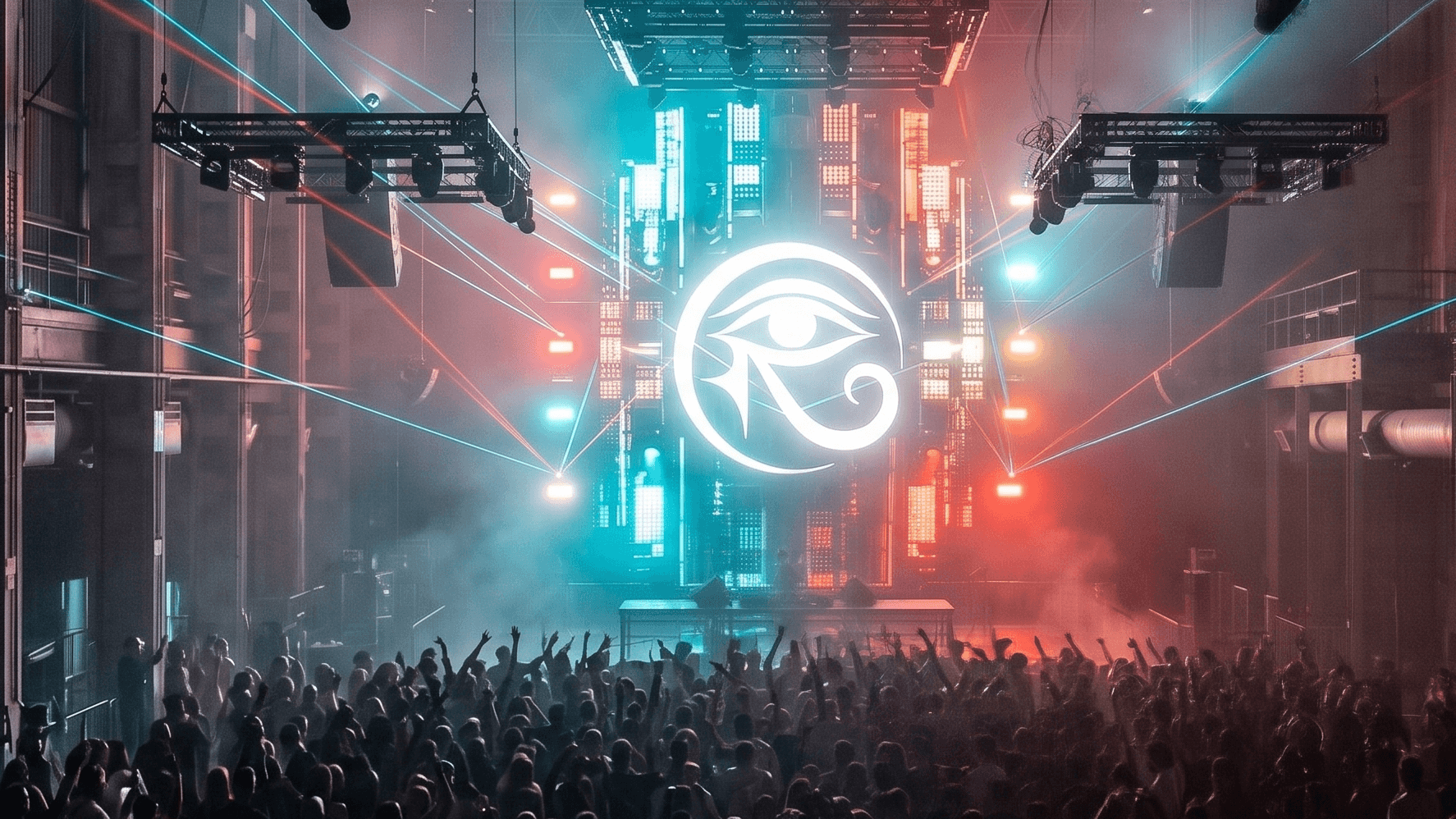
70x in a Month: When $RAVE Put Istanbul’s Dancefloor on the Chain
A Web3 project with zero VCs and no whitepaper started with a midnight party for 200 people. Eighteen months later, its token $RAVE is up 70x, and its contract liquidations briefly eclipsed Ethereum’s. Is this just pure speculation, or are we looking at a new breed of cultural asset?

Soaring 50 times, with an FDV exceeding 10 billion USD, why RaveDAO?
Binance provides temporary transfers for employees in the UAE to address disruptions in operations in the region due to the Middle East conflict
Dubai releases regulatory framework for derivatives trading on cryptocurrency exchanges
2025 Crypto Violence Retrospective: 65 Physical Assaults, 4 Fatal Incidents
UAE Accelerates Digital Dirham Pilot with Its First Successful Transaction
Key Takeaways The UAE’s pilot program for its central bank digital currency (CBDC), the digital dirham, has achieved…
SAFEX has officially rebranded to YUBIT, ushering in a new era of globalization and innovation.
WLFI collaborates with RaveDAO to host its first offline event, bringing the world's first USD1 offline payment scenario to life.
Reuters: A huge explosion was heard in Dubai

The world belongs to Chinese people who speak English
Drone attacks on oil tanks near Dubai airport, Emirates flights suspended

USDC's market value is approaching its historical high of 80 billion USD, with analysts attributing this to capital outflow from the UAE
The Dubai TOKEN2049 summit is proposed to be postponed to April 2027 due to geopolitical influences

Stablecoins are breaking away from cryptocurrency, becoming the next generation of infrastructure for global payments

Due to the impact of the geopolitical situation, the demand for stablecoins in Dubai has surged, with over 2.3 billion USDC minted in the past week
Hong Kong Crypto Ecosystem 2.0: Stablecoins, RWA, and the New Battleground for Financial Institutions

Political Prediction Market 67% Win Rate Star Account Wagers $27,100 on "US-Iran Ceasefire in March"

Token2049 Dubai Organizer: Despite Escalating Middle East Conflict, Conference Will Proceed as Planned

The Shadow Business Empire of Iran's New Supreme Leader: Oil, Real Estate, and Financial Intrigue
Dubai gold is experiencing rare discounted trading, possibly due to logistics disruptions caused by the Middle East conflict
36 years, 4 wars, 1 script: How does capital price the world in conflict?
MegaETH Co-founder: 48 Hours After Leaving Dubai, I Reassessed the Entire Crypto Space
Near Dubai's renowned wealthy enclave "Palm Jumeirah," a loud explosion, thick smoke, and fire were reported.
Elliptic Highlights Russian Crypto Platforms Evading Sanctions
Key Takeaways: A network of Russian crypto exchanges is reportedly aiding users in circumventing Western sanctions. Five major…
WEEX AI Trading Hackathon Dubai Opening Ceremony Ends, Live Viewers Exceed 150,000
Bybit to Introduce Dollar Accounts With Partner Banks – Can Crypto Go Mainstream?
Key Takeaways Bybit plans to introduce “MyBank” dollar accounts in partnership with licensed financial institutions, enhancing seamless conversion…
Futu has had all its illegal gains confiscated, reminding cryptocurrency exchanges
Chinese and American police jointly crack down on a Dubai-based fraud gang for the first time, suspected of luring victims with high-return cryptocurrency projects
The US FBI, in collaboration with multiple countries, has dismantled several "pig butchering" cryptocurrency scam networks, involving amounts totaling millions of dollars
Gate's Q1 2026 report is online, compliance layout strengthens global competitiveness
70x in a Month: When $RAVE Put Istanbul’s Dancefloor on the Chain
A Web3 project with zero VCs and no whitepaper started with a midnight party for 200 people. Eighteen months later, its token $RAVE is up 70x, and its contract liquidations briefly eclipsed Ethereum’s. Is this just pure speculation, or are we looking at a new breed of cultural asset?
Soaring 50 times, with an FDV exceeding 10 billion USD, why RaveDAO?

Contents
Latest articles

Latest coin listings on WEEX


